



Digital Channels Are Gaining Importance in Coffee Shopping
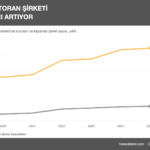
According to data from ikas, which evaluated e-commerce trends in the coffee sector within the scope of World Coffee Day on October 1st, the share of coffee and coffee-derived products in e-commerce baskets has increased by 2... in the last year.


According to data from ikas, which evaluated e-commerce trends in the coffee sector as part of World Coffee Day on October 1st, the share of coffee and coffee-related products in e-commerce baskets has doubled in the last year, rising to 3,7%. 85% of the nearly 100 coffee brands that sell online using the ikas infrastructure also have physical stores. Brands that implement effective digital marketing and customer loyalty strategies are seeing revenue growth exceeding 40%.
Table of Contents
Coffee is becoming an increasingly powerful category not only for daily consumption but also for e-commerce shopping. Data from ikas, which evaluated e-commerce trends in the sector in conjunction with World Coffee Day on October 1st , reveals a significant increase in the weight of coffee purchases on digital channels over the past year. Accordingly, the share of coffee and coffee-related products in total e-commerce baskets increased by 100% in one year, reaching 3,7%.
Mustafa Namoğlu , Co-Founder and CEO of ikas , states that the dynamism in the coffee sector is not limited solely to the growth of online sales, but that physical stores and e-commerce have transformed into a mutually reinforcing structure.
In the coffee industry, physical and digital channels complement each other.
Of the nearly 100 brands selling coffee using the ikas e-commerce infrastructure, 85% also have physical stores. This rate shows that in the coffee sector, physical and digital channels complement each other rather than being alternatives.
Consumers who try coffee in a physical store can later order their favorite product online to consume it at home. Brands are also directing customers to e-commerce channels through methods such as QR codes, barista recommendations, and loyalty programs in their stores.
Thus, while the customer experience that begins in the store continues with online ordering, customers acquired through the digital channel can also visit the brand's physical store.
Coffee has high repeat purchase potential.
Coffee's status as a regularly consumed food product also supports repeat purchase behavior in e-commerce. According to global industry reports, the repurchase rate (RPR) of a product within 12 months is around 20-30% in general e-commerce, while this rate rises to 35-45% for general consumer goods, including coffee.
This table shows that coffee is among the categories with high repeat purchase potential in e-commerce. Brands can create personalized campaigns and repeat order strategies by tracking customers' shopping behaviors, such as their preferences for beans, roasting, and grinding.
Coffee shopping baskets aren't limited to just the product itself. Consumers can also add complementary items like V60 kettles, filter papers, brewing equipment, and syrups to the same order. This contributes to increasing the basket value of the coffee category.
E-commerce offers the opportunity to grow without opening new branches.
For boutique coffee producers and high-end roasters in particular, e-commerce offers an opportunity to reach new customers without incurring high physical investment costs. While a new store brings with it rent, decoration, personnel, and operating expenses, the online sales channel allows brands to reach consumers in all 81 provinces of Türkiye with their existing production and roasting capacities.
The fact that coffee brands implementing the right digital marketing and customer loyalty strategies are seeing revenue increases exceeding 40% also highlights the role of e-commerce channels in growth.
A new cycle is emerging between physical stores and digital channels.
Another notable development in the coffee industry is the linking of online and offline customer experiences. Consumers who discover a brand online can visit a physical store and then purchase the coffee they experienced in the store online.
Mustafa Namoğlu assessed the transformation in the coffee industry as follows:
“The fact that coffee’s share in e-commerce shopping carts has doubled in the last year shows that consumers are increasingly embracing digital channels for coffee purchases. However, what is remarkable here is not only the increase in online sales; it is the transformation of physical stores and e-commerce into a mutually reinforcing structure. Today, consumers can experience their coffee in a cafe and order the same product online to their home. In a category like coffee, which is consumed regularly, this behavior creates significant potential for brands in terms of repeat purchases and customer loyalty.”





Be the first to comment...